
Holidays in Djibouti
About Djibouti
Discover the stunning natural beauty, rich cultural heritage, and strategic location of Djibouti, a hidden gem on the Horn of Africa. With its stunning geological formations, vibrant nomadic culture, and lively port city, Djibouti offers endless opportunities for adventure and cultural immersion. Explore the historic streets of Djibouti City, trek through the stunning Day Forest National Park, or simply unwind on the pristine beaches of the Gulf of Tadjoura.
Useful facts
- Time differenceGMT+3
- CurrencyDjiboutian Franc (DJF)
- Population1 Million
- Visa requiredeVisa (For stays up to 90 days)
- Average daytime high35.1°
Things to do in Djibouti
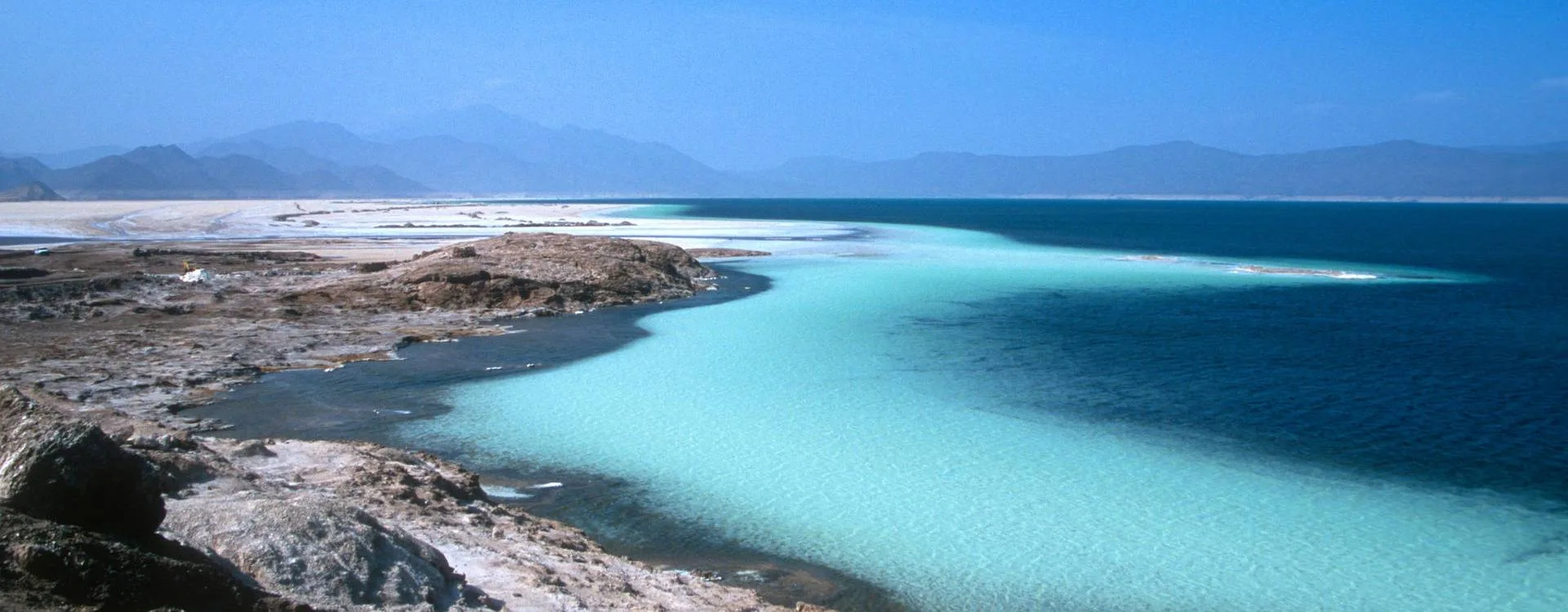
Experience the rugged beauty and unique culture of Djibouti, a small country in the Horn of Africa known for its stunning geological features and strategic location at the mouth of the Red Sea. Explore the vibrant capital city of Djibouti City, home to the impressive Hassan Gouled Aptidon Stadium, the lively Central Market, and the serene Khor Ambado Beach, where you can swim in crystal-clear waters and spot colourful marine life. Visit Lake Assal, a stunning salt lake at the lowest point in Africa, and marvel at the surreal landscape of salt flats and mineral formations.
Discover the unique beauty of the Day Forest National Park, a protected area home to the rare Djibouti francolin and the iconic Dragon Blood Tree, known for its distinctive umbrella-shaped canopy. Take a scenic train ride on the historic Addis Ababa-Djibouti Railway, a feat of engineering that connects Ethiopia to the Red Sea coast.
When to go
- Jan
- Feb
- Mar
- Apr
- May
- Jun
- Jul
- Aug
- Sep
- Oct
- Nov
- Dec
- Average daytime high
- Average overnight low
- Jan
- Feb
- Mar
- Apr
- May
- Jun
- Jul
- Aug
- Sep
- Oct
- Nov
- Dec
Wettest in April, driest in June
Climate data: Meteostat
Djibouti questions, answered
Some of the best activities in Djibouti include snorkeling or scuba diving in the Gulf of Tadjoura known for its colourful coral reefs and diverse marine life; exploring Lake Assal the lowest point in Africa and the saltiest lake in the world; and visiting the Day Forest National Park home to a variety of flora and fauna including the rare Djibouti francolin.
Djiboutian culture is a unique blend of African Arab and French influences. The majority of the population is Muslim and Islamic traditions play a significant role in daily life. The country is known for its vibrant music and dance traditions particularly the Buraanbur a traditional Somali dance.
The best way to travel around Djibouti is by car either by renting a vehicle or hiring a driver. Public transportation options are limited and not always reliable. Taxis are available in the capital city of Djibouti but make sure to agree on a fare before starting your journey.
Djiboutian cuisine is a delicious mix of African Yemeni and French flavours. Some popular dishes include Skoudehkaris (a lamb and rice dish) Fah-fah (a vegetable and meat stew) and Samboussa (a pastry filled with meat or vegetables). Djibouti is also known for its fresh seafood.
Djibouti is a small country located in the Horn of Africa known for its unique and varied geography. The country is home to salt lakes extinct volcanoes and limestone chimneys. Djibouti also has a strategic location at the mouth of the Red Sea and is an important port for regional trade.
Thinking about Djibouti?
Not sure yet? Pop into your local branch or give us a ring and talk it through with one of our travel consultants.