
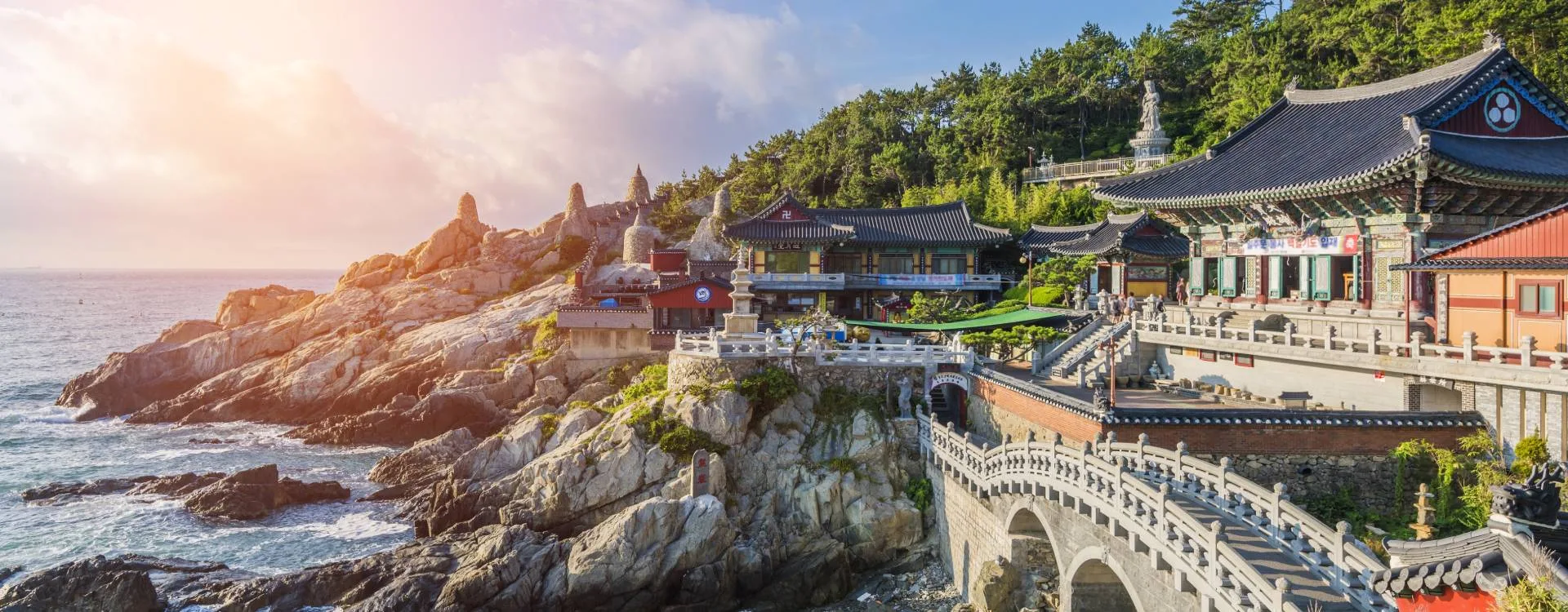
Holidays in South Korea
About South Korea
Discover the stunning natural beauty, rich cultural heritage, and modern sophistication of South Korea, a country that offers a perfect blend of ancient and modern influences. With its iconic temples, majestic mountains, and vibrant cities, South Korea offers endless opportunities for adventure and cultural immersion. Explore the historic streets of Seoul, marvel at the stunning Seoraksan National Park, or simply unwind on the pristine beaches of Jeju Island.
Useful facts
- Time differenceGMT+9
- CurrencySouth Korean Won (KRW)
- Population51.8 Million
- Visa requiredETA Required (For stays up to 90 days)
- Average daytime high18.4°
Things to do in South Korea
Embark on a captivating journey through South Korea, a fascinating nation located in East Asia. Begin your adventure in Seoul, the vibrant capital city, where you can explore the impressive Gyeongbokgung Palace, the largest of the Five Grand Palaces built during the Joseon Dynasty, visit the fascinating National Museum of Korea, and indulge in the delicious and diverse cuisine of South Korea, from the savoury bibimbap and Korean barbecue to the sweet patbingsu and hotteok.
Venture to the stunning island of Jeju, a UNESCO World Heritage site known for its stunning volcanic landscapes, beautiful beaches, and unique cultural traditions, or explore the impressive Seoraksan National Park, known for its stunning mountain scenery, beautiful waterfalls, and ancient Buddhist temples. For a taste of adventure, take a thrilling ride on the world’s steepest wooden roller coaster at Everland Theme Park, or embark on a challenging hike to the summit of Hallasan, the highest mountain in South Korea.
Don’t miss the opportunity to experience the unique and fascinating culture of South Korea, from the lively music and dance performances to the colourful festivals and celebrations, such as the Busan International Film Festival and the Jinju Lantern Festival. With its rich history, stunning landscapes, and modern marvels, South Korea offers a truly authentic and unforgettable travel experience that will leave you with a deep appreciation for this remarkable nation.
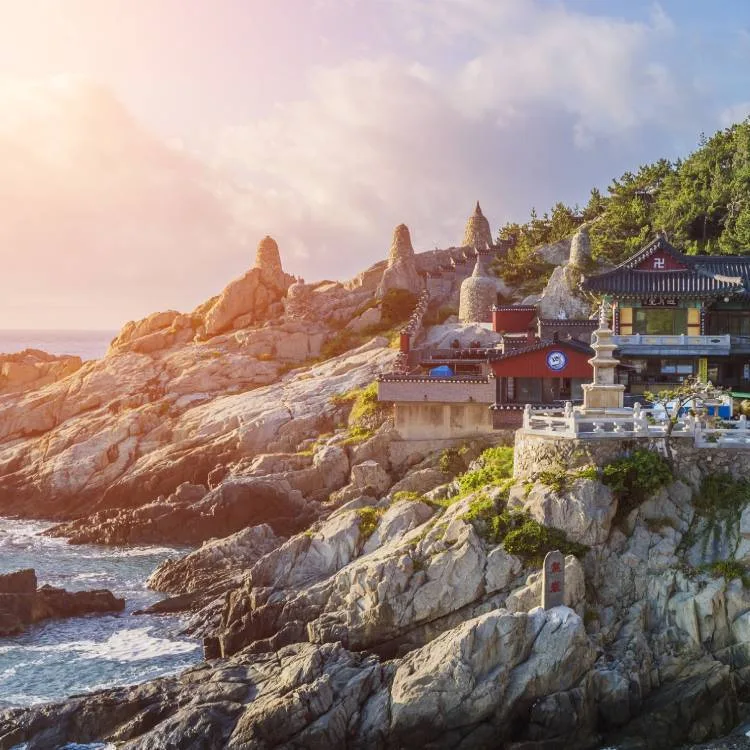
When to go
- Jan
- Feb
- Mar
- Apr
- May
- Jun
- Jul
- Aug
- Sep
- Oct
- Nov
- Dec
- Average daytime high
- Average overnight low
- Jan
- Feb
- Mar
- Apr
- May
- Jun
- Jul
- Aug
- Sep
- Oct
- Nov
- Dec
Wettest in August, driest in January
- Jan
- Feb
- Mar
- Apr
- May
- Jun
- Jul
- Aug
- Sep
- Oct
- Nov
- Dec
7.8 hours a day at its best, in April
Climate data: Meteostat
South Korea questions, answered
South Korea offers a rich history and cultural heritage. Some must-visit historical sites include Gyeongbokgung Palace in Seoul, the UNESCO-listed Hwaseong Fortress in Suwon, the traditional Hanok village of Jeonju, the ancient capital of Gyeongju with its numerous temples and tombs, and the DMZ (Demilitarized Zone) for a glimpse into the country’s modern history.
The best time to visit South Korea is during the spring (March to May) and autumn (September to November) when temperatures are mild and pleasant. Spring is particularly popular for the cherry blossom season, while autumn offers stunning foliage colours. Summer (June to August) can be hot and humid, while winter (December to February) can be cold with occasional snow.
Korean cuisine is known for its bold flavours and healthy ingredients. Some must-try dishes include kimchi (fermented vegetables), bibimbap (mixed rice with vegetables and meat), samgyeopsal (grilled pork belly), and Korean barbecue. For street food, try tteokbokki (spicy rice cakes), odeng (fish cakes), and hotteok (sweet pancakes).
South Korea offers a range of unique cultural experiences. Some must-do activities include visiting a traditional hanok village like Bukchon Hanok Village in Seoul, attending a tea ceremony at a traditional tea house, watching a K-pop performance or visiting a K-pop themed cafe, and experiencing a jjimjilbang (Korean spa and sauna).
Seoul, the capital city of South Korea, offers numerous attractions and activities. Some popular options include visiting the N Seoul Tower for panoramic city views, exploring the trendy neighbourhoods of Myeong-dong and Hongdae for shopping and street food, strolling through the scenic Cheonggyecheon Stream, and visiting the Lotte World amusement park. For a unique experience, try renting a hanbok (traditional Korean dress) and explore the historical palaces.
Thinking about South Korea?
Not sure yet? Pop into your local branch or give us a ring and talk it through with one of our travel consultants.