
Holidays in Cuba
About Cuba
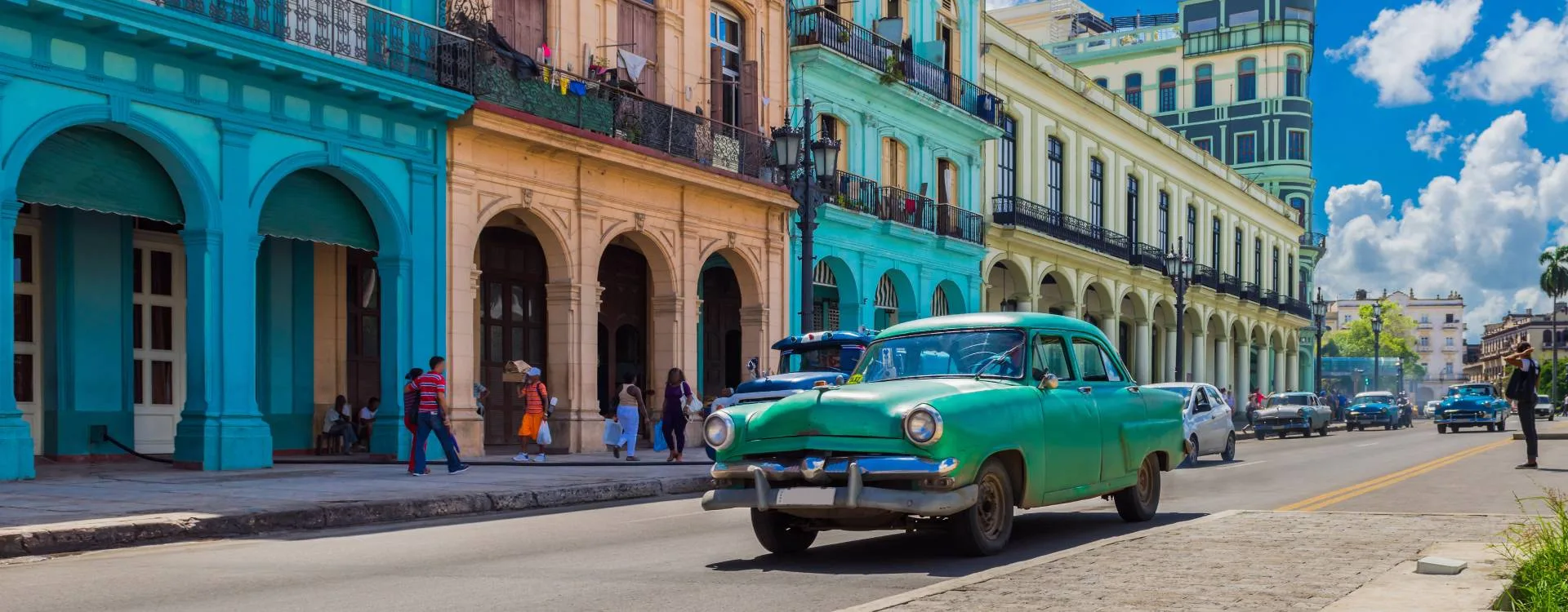
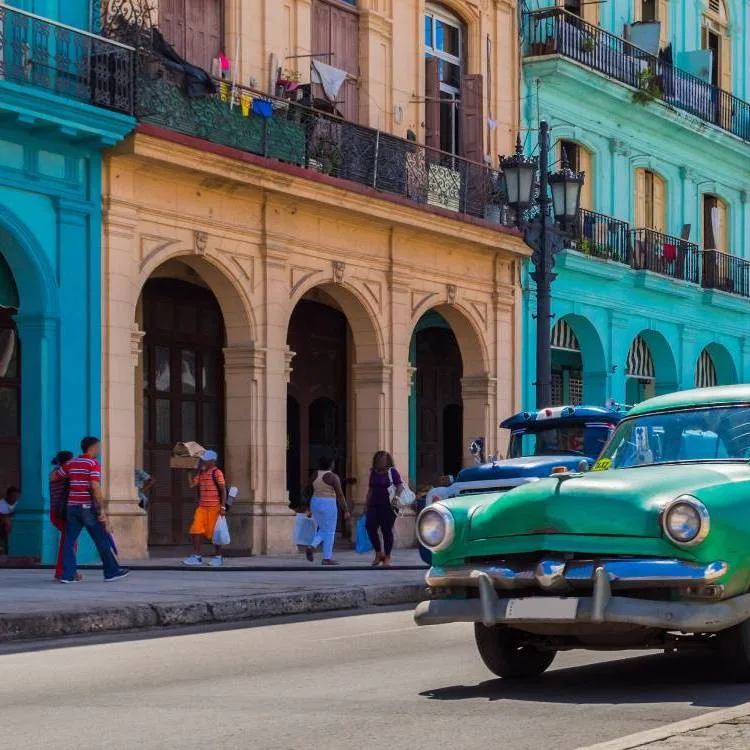
Discover the vibrant culture, stunning landscapes, and rich history of Cuba, a country that offers a unique blend of Caribbean and Latin American influences. Explore the historic streets of Havana, relax on the pristine beaches of Varadero, or indulge in the delicious local cuisine. With its colourful architecture, vintage cars, and lively music scene, Cuba promises an unforgettable travel experience.
Useful facts
- Time differenceGMT-6
- CurrencyCuban Peso (CUP)
- Population11.3 Million
- Visa requiredTourist Card Required (For stays up to 90 months)
- Average daytime high29.3°
Things to do in Cuba
Embark on a captivating journey to Cuba, a fascinating island nation known for its rich history, vibrant culture, and stunning architecture. Begin your adventure in Havana, the capital city of Cuba, where you can explore the impressive Old Havana, a UNESCO World Heritage site known for its stunning colonial architecture, vintage cars, and lively atmosphere, visit the fascinating Museum of the Revolution, which showcases the history of Cuba’s revolutionary struggle, and indulge in the delicious and diverse cuisine of Cuba, from the savoury ropa vieja and lechon asado to the sweet flan and arroz con leche.
Venture to the stunning beaches and natural landscapes of Cuba, a beautiful and diverse island known for its white sand, crystal-clear waters, and lush vegetation, where you can explore the impressive Varadero Beach, a stunning 20-kilometre stretch of white sand and turquoise waters, visit the fascinating Viñales Valley, a stunning natural wonder known for its towering mogotes and tobacco fields, and experience the unique culture and traditions of Cuba, from the lively music and dance performances of salsa and rumba to the colourful festivals and celebrations, such as the Santiago de Cuba Carnival and the Havana Jazz Festival.
Don’t miss the opportunity to explore the other fascinating attractions of Cuba, from the stunning colonial cities of Trinidad and Cienfuegos to the historic sites of the Cuban Revolution, such as the Moncada Barracks and the Che Guevara Mausoleum. With its rich history, vibrant culture, and stunning beauty, Cuba offers a truly authentic and unforgettable travel experience that will leave you with a deep appreciation for this remarkable nation.
When to go
- Jan
- Feb
- Mar
- Apr
- May
- Jun
- Jul
- Aug
- Sep
- Oct
- Nov
- Dec
- Average daytime high
- Average overnight low
- Jan
- Feb
- Mar
- Apr
- May
- Jun
- Jul
- Aug
- Sep
- Oct
- Nov
- Dec
Wettest in September, driest in March
Climate data: Meteostat
Cuba questions, answered
Cuba, the largest Caribbean island, is known for its stunning beaches, vibrant culture, and historic cities. Havana, the capital city, is a must-visit destination, with its colourful colonial architecture, vintage cars, and lively music and dance scene. The Malecón, a seaside promenade, is a popular spot for strolling, socialising, and watching the sunset. The Viñales Valley, a UNESCO World Heritage Site, is known for its stunning limestone cliffs, tobacco fields, and traditional farms. Other notable attractions include the Trinidad (a well-preserved colonial city), the Varadero Beach (a popular resort area with white-sand beaches), and the Bay of Pigs (the site of a historic Cold War battle).
Cuba’s cultural experiences are influenced by its African, Spanish, and Caribbean heritage, with a strong emphasis on music, dance, and art. Attending a live music performance, such as a jazz concert or a salsa show, is a must-do experience, with many famous venues like the Buena Vista Social Club in Havana. Taking a dance lesson, such as salsa, rumba, or cha-cha-cha, is a great way to immerse yourself in the local culture and meet new people. Visiting an art gallery or studio, such as the Fusterlandia in Havana (a neighbourhood transformed by colourful mosaics), offers a glimpse into Cuba’s thriving art scene. Other notable cultural experiences include attending a baseball game (Cuba’s national sport), visiting a cigar factory to learn about the country’s famous tobacco industry, and exploring the Afro-Cuban religion of Santería.
Cuban cuisine is a flavourful blend of Spanish, African, and Caribbean influences, with a focus on simple, hearty dishes made with local ingredients. Ropa vieja, a dish of shredded beef stewed with vegetables and spices, is a national favourite. Moros y cristianos (black beans and rice) is a staple side dish that accompanies many meals. Lechón asado (roast pork) is a popular dish for special occasions and holidays, often cooked in a backyard pit. Other notable dishes include tostones (fried plantain slices), tamales (steamed cornmeal dough wrapped in leaves), and arroz con pollo (rice with chicken). Cuban cuisine also features a variety of tropical fruits, such as guava, mango, and papaya, which are often used in desserts and drinks.
Cuba’s stunning natural beauty and warm climate offer many opportunities for outdoor activities and adventures. Scuba diving and snorkeling are popular activities, with many coral reefs and underwater caves to explore, such as the Gardens of the Queen marine reserve. Hiking in the Sierra Maestra mountains, the highest mountain range in Cuba, offers challenging trails and stunning views. Birdwatching is another popular activity, with over 350 species of birds, including many endemic species like the Cuban trogon and the bee hummingbird. Other notable outdoor experiences include cycling through the countryside, horseback riding in the Viñales Valley, and taking a scenic drive along the coastal roads.
When planning a trip to Cuba, it’s important to be aware of the current travel restrictions and regulations, which can change frequently. American citizens may need to obtain a special license or travel with an authorised tour group, depending on the purpose of their visit. It’s also important to have travel insurance that covers medical expenses and emergency evacuation. Cuba has a dual currency system, with the Cuban Convertible Peso (CUC) used by tourists and the Cuban Peso (CUP) used by locals, so it’s important to familiarise yourself with the exchange rates and how to obtain and use each currency. Credit cards and ATMs may not always work in Cuba, so it’s a good idea to bring enough cash to cover your expenses. It’s also important to respect local customs and laws, such as dressing modestly and avoiding political discussions. With its rich culture, history, and natural beauty, Cuba is a unique and rewarding destination for adventurous travellers.
Thinking about Cuba?
Not sure yet? Pop into your local branch or give us a ring and talk it through with one of our travel consultants.