
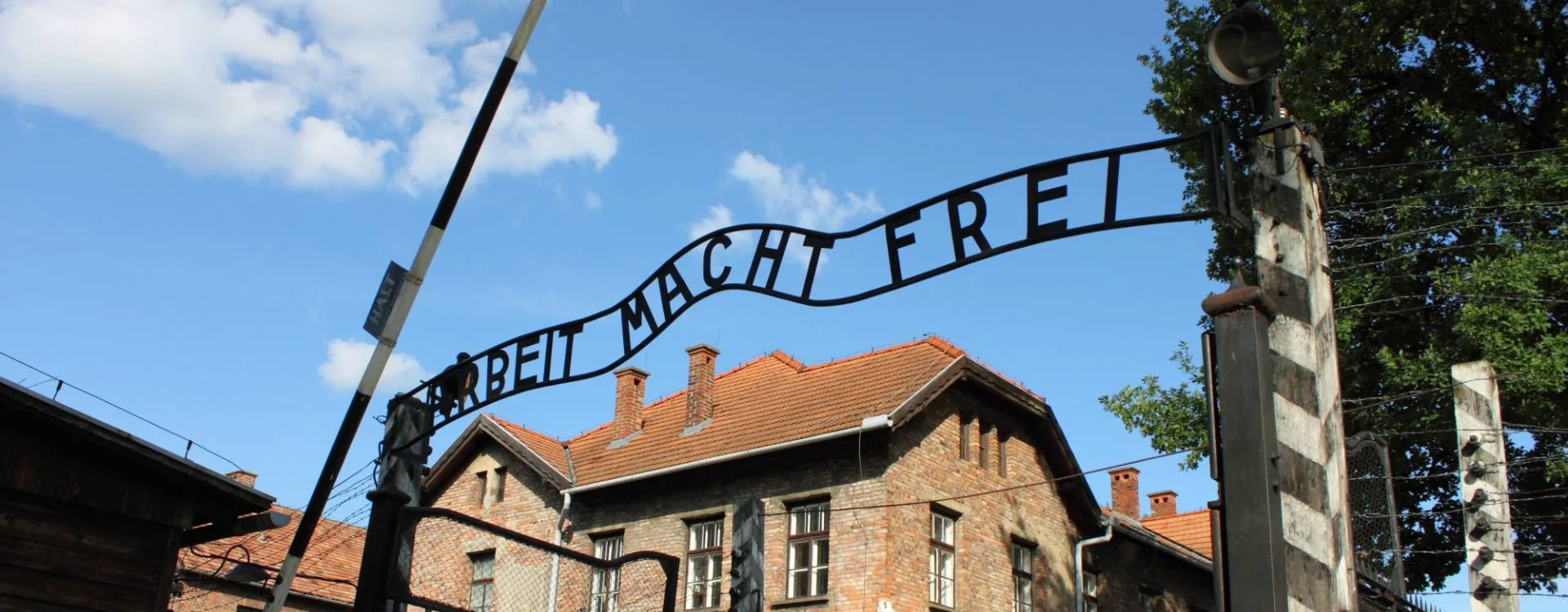
Holidays in Auschwitz
About Auschwitz
Auschwitz-Birkenau, located in southern Poland, stands as a poignant and somber testament to one of the darkest chapters in human history. This former Nazi concentration and extermination camp complex, now a UNESCO World Heritage Site, serves as a memorial to the over 1.1 million people, primarily European Jews, who lost their lives here during World War II. Visitors can explore the preserved barracks, gas chambers, and crematoria, which offer a chilling insight into the atrocities committed within the camp’s walls. Guided tours and exhibits provide a deeper understanding of the Holocaust and the individual stories of those who suffered and perished. The Auschwitz-Birkenau Memorial and Museum also hosts educational programs and events to ensure that the lessons of the past are never forgotten. While a visit to Auschwitz-Birkenau can be an emotionally challenging experience, it is an important one that offers a profound opportunity for reflection, remembrance, and a renewed commitment to standing against hatred and intolerance in all its forms.
Useful facts
- Time differenceGMT+1
- CurrencyPolish Zloty (PLN)
- Population-
- Visa requiredNot Required (For stays up to 90 days)
- Average daytime high14.9°
Things to do in Auschwitz
Pay your respects and learn about one of the darkest chapters in human history at the Auschwitz-Birkenau Memorial and Museum, located in Oświęcim, Poland. This former Nazi concentration and extermination camp stands as a poignant reminder of the Holocaust and the lives lost during World War II. Take a guided tour of the preserved barracks, gas chambers, and exhibitions that shed light on the harrowing experiences of prisoners and the atrocities committed.
Reflect on the impact of the Holocaust and the importance of remembrance at the International Monument to the Victims of Fascism, a powerful memorial dedicated to those who perished at Auschwitz. Visit the Auschwitz Jewish Center in the nearby town of Oświęcim to learn about the pre-war Jewish life in the area and the efforts to preserve their memory and heritage.
When to go
- Jan
- Feb
- Mar
- Apr
- May
- Jun
- Jul
- Aug
- Sep
- Oct
- Nov
- Dec
- Average daytime high
- Average overnight low
- Jan
- Feb
- Mar
- Apr
- May
- Jun
- Jul
- Aug
- Sep
- Oct
- Nov
- Dec
Wettest in August, driest in March
Climate data: Meteostat
Auschwitz questions, answered
Visitors should know that Auschwitz is a site of immense historical significance and a place of remembrance for the victims of the Holocaust. It’s recommended to approach the visit with respect and consideration for its solemnity.
Visitors to Auschwitz can expect to see preserved artefacts, barracks, and ruins at Auschwitz-Birkenau, including personal items of the victims, and learn about the history and operation of the concentration and extermination camp during WWII.
Visitors can prepare emotionally for a visit to Auschwitz by reading historical accounts or survivor stories to understand the gravity of the atrocities committed there, and by planning some quiet time after the visit to reflect and recover.
Yes, it is possible to take a guided tour of Auschwitz, which is highly recommended to gain a deeper understanding of the site’s history. Guides are knowledgeable and provide essential context to the exhibits and the site’s complex history.
The rules of conduct for visitors to Auschwitz include maintaining silence out of respect, dressing appropriately, and not bringing large bags or food into the site. Photography may be restricted in certain areas to preserve the dignity of the site.
Thinking about Auschwitz?
Not sure yet? Pop into your local branch or give us a ring and talk it through with one of our travel consultants.