
Holidays in Canada
About Canada
Embark on a journey through the vast landscapes, iconic cities, and rich cultural heritage of Canada, the second-largest country in the world. From the historic streets of Quebec City to the stunning beauty of the Canadian Rockies, Canada offers a wealth of unforgettable experiences. Explore the vibrant streets of Toronto, witness the majesty of Niagara Falls, or simply immerse yourself in the warm hospitality of the Canadian people.
Useful facts
- Time differenceGMT-6
- CurrencyCanadian Dollar (CAD)
- Population38 Million
- Visa requiredElectronic Travel Authorisation Required (For stays up to six months)
- Average daytime high12.4°
Things to do in Canada
Embark on a captivating journey through Canada, a vast and diverse nation known for its stunning natural beauty, vibrant cities, and friendly people. Begin your adventure in Toronto, the largest city in Canada, where you can explore the impressive CN Tower, a stunning observation tower that offers breathtaking views of the city and Lake Ontario, visit the fascinating Royal Ontario Museum, which houses an impressive collection of art, culture, and natural history, and indulge in the delicious and diverse cuisine of Canada, from the savoury poutine and maple syrup to the sweet butter tarts and Nanaimo bars.
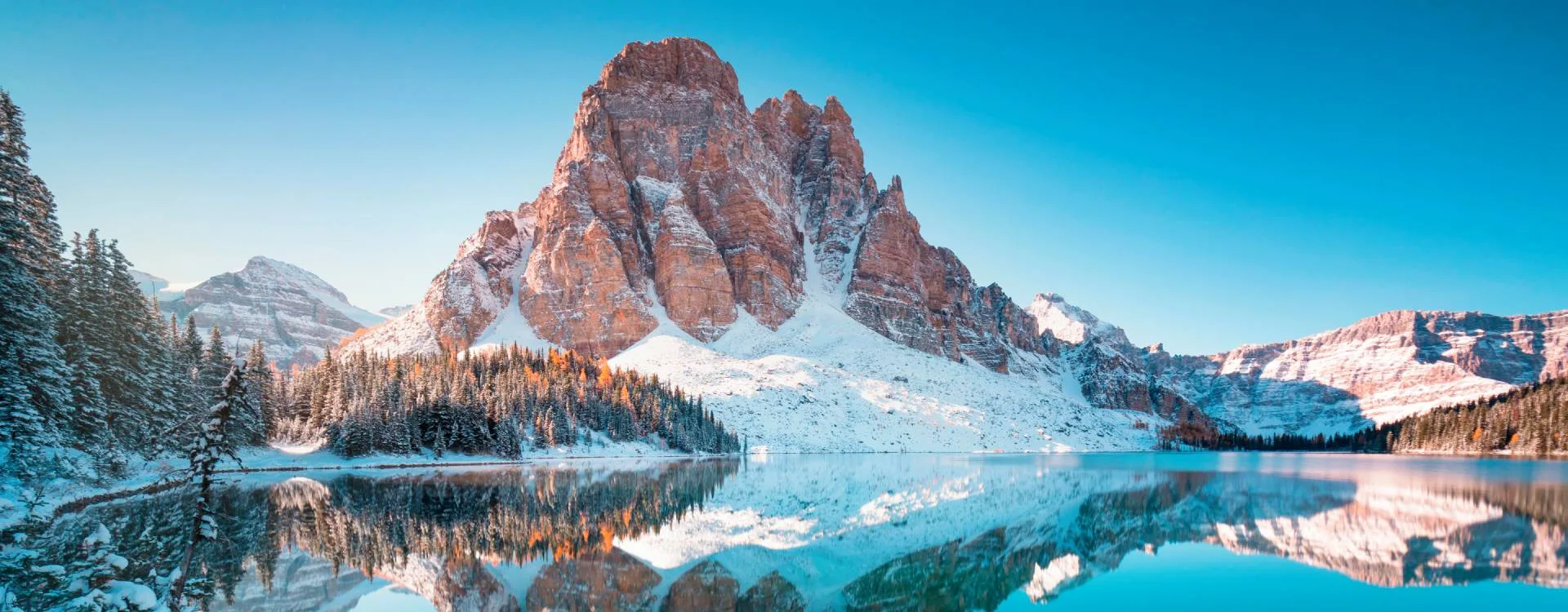
Venture to the stunning Rocky Mountains, a beautiful mountain range that stretches across western Canada, where you can explore the impressive Banff National Park, a UNESCO World Heritage site known for its stunning mountain scenery, turquoise lakes, and abundant wildlife, visit the fascinating Athabasca Glacier, a stunning glacier that is part of the Columbia Icefield, and experience the unique culture and traditions of Canada, from the lively music and dance performances of First Nations peoples to the colourful festivals and celebrations, such as the Calgary Stampede and the Quebec Winter Carnival.
Don’t miss the opportunity to explore the other fascinating regions of Canada, from the stunning coastlines and historic cities of the Maritimes to the rugged wilderness and northern lights of the Yukon. With its stunning natural beauty, vibrant cities, and friendly people, Canada offers a truly authentic and unforgettable travel experience that will leave you with a deep appreciation for this remarkable nation.
When to go
- Jan
- Feb
- Mar
- Apr
- May
- Jun
- Jul
- Aug
- Sep
- Oct
- Nov
- Dec
- Average daytime high
- Average overnight low
- Jan
- Feb
- Mar
- Apr
- May
- Jun
- Jul
- Aug
- Sep
- Oct
- Nov
- Dec
Wettest in August, driest in February
Climate data: Meteostat
Canada questions, answered
Canada, the world’s second-largest country by total area, offers a diverse range of must-visit attractions from coast to coast. The Rocky Mountains in western Canada are home to stunning national parks like Banff, Jasper, and Yoho, known for their turquoise lakes, rugged peaks, and abundant wildlife. The CN Tower in Toronto, once the tallest structure in the world, offers panoramic views of the city and Lake Ontario. The historic walled city of Quebec City, with its cobblestone streets and European-style architecture, is a UNESCO World Heritage Site. Other notable attractions include Niagara Falls (a series of massive waterfalls on the border of Ontario and New York), the Cabot Trail (a scenic driving route in Nova Scotia), and the Northern Lights (visible in the northern territories during winter months).
Canada’s vast wilderness and diverse geography offer endless opportunities for outdoor activities in all seasons. In the summer, hiking, camping, and canoeing in national and provincial parks are popular pastimes, with iconic destinations like Lake Louise in Banff National Park and Algonquin Provincial Park in Ontario. Whale watching on both the Atlantic and Pacific coasts offers the chance to spot humpback, orca, and beluga whales in their natural habitats. In the winter, skiing and snowboarding at world-class resorts like Whistler Blackcomb in British Columbia and Mont Tremblant in Quebec are major attractions. Other notable outdoor experiences include ice skating on frozen canals and lakes, dog sledding in the Yukon, and kayaking among the rugged islands of Newfoundland and Labrador.
Canadian cuisine is influenced by the country’s diverse geography, history, and cultural heritage, with regional specialties and iconic dishes enjoyed across the country. Poutine, a dish of french fries topped with gravy and cheese curds, originated in Quebec but is now a national favourite. Nanaimo bars, a no-bake dessert with a chocolate and coconut crust, custard filling, and chocolate ganache, are named after the city of Nanaimo in British Columbia. Maple syrup, produced from the sap of maple trees, is a quintessential Canadian product used in a variety of dishes and desserts. Other notable Canadian specialties include Montreal-style bagels, Nova Scotia lobster rolls, and bannock (a traditional Indigenous bread).
Canada’s cultural experiences are as diverse as its landscape and people, with a rich history and vibrant modern culture. Attending a hockey game, Canada’s national winter sport, is a must-do experience, with passionate fans and world-class teams in cities like Toronto, Montreal, and Vancouver. Visiting the National Gallery of Canada in Ottawa, home to the world’s largest collection of Canadian art, is a great way to learn about the country’s artistic heritage. Exploring the historic neighbourhoods and markets of cities like Toronto’s Kensington Market, Vancouver’s Granville Island, and Montreal’s Jean-Talon Market offers a taste of local culture and cuisine. Other notable cultural experiences include attending a pow wow (a traditional Indigenous celebration with music and dance), visiting the Royal Ontario Museum in Toronto, and experiencing the Calgary Stampede (a massive rodeo and festival held every July).
When planning a trip to Canada, it’s important to consider factors such as the time of year, region, and desired activities. Canada’s climate varies greatly from coast to coast, with cold, snowy winters and mild to hot summers depending on the region. The peak tourist season is typically from June to August, when weather is warmest and most attractions are open, but prices for accommodations and flights tend to be higher. In the winter, many outdoor activities and attractions may be closed or have limited access, but this can also be a great time for winter sports and festivals. It’s a good idea to book accommodations and activities in advance, especially during peak season, to ensure availability and better rates. Visitors should also be aware of entry requirements, which may include a valid passport, visa, and proof of travel insurance. It’s important to respect local laws and customs, such as speed limits, smoking regulations, and Indigenous land rights. Canada is known for its friendly and welcoming culture, but it’s always a good idea to exercise caution and be respectful of local traditions and communities.
Thinking about Canada?
Not sure yet? Pop into your local branch or give us a ring and talk it through with one of our travel consultants.