
Holidays in Kiribati
About Kiribati
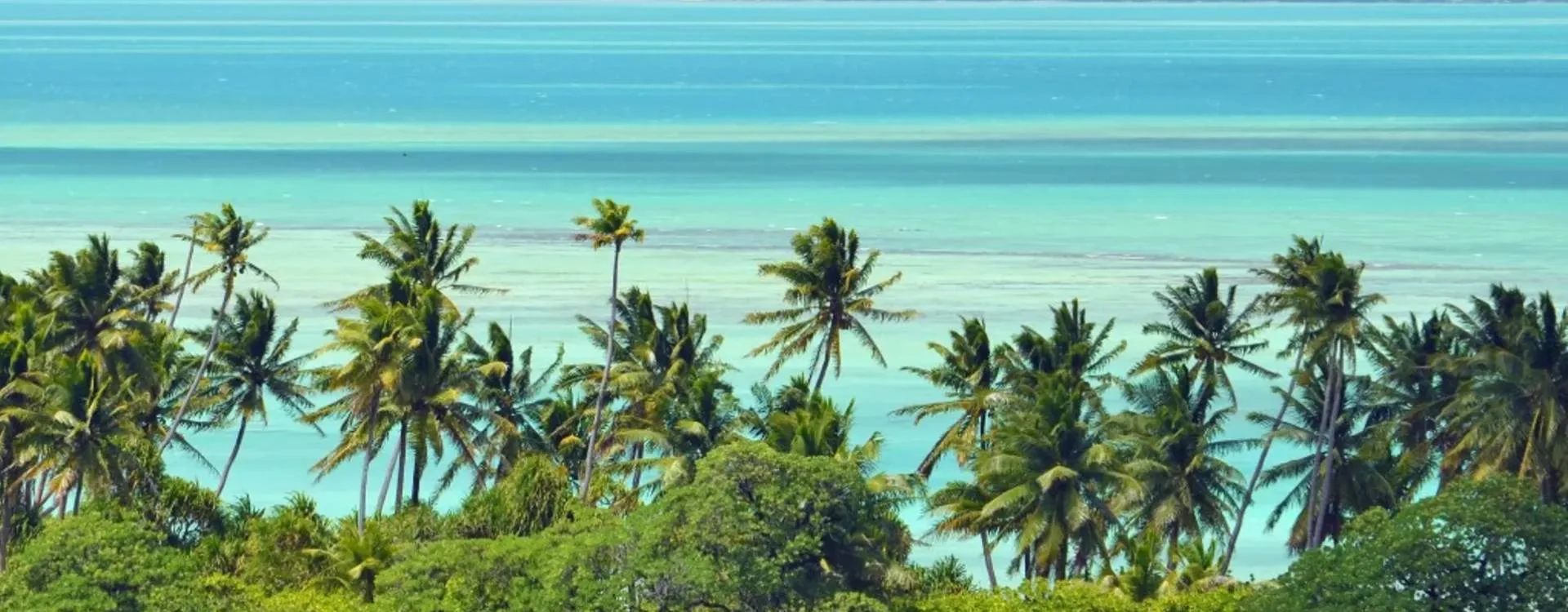
Discover the untouched beauty and laid-back lifestyle of Kiribati, a remote island nation in the Pacific. With its stunning coral reefs, historic World War II relics, and friendly locals, Kiribati offers a glimpse into a different way of life. Explore the island’s rugged interior, snorkel in the crystal-clear waters, or simply unwind on the white sands of the remote beaches.
Useful facts
- Time differenceGMT+12 to GMT+14
- CurrencyAustralian Dollar (AUD)
- Population120,000
- Visa requiredNot Required (For stays up to 30 days)
- Average daytime high31.2°
Things to do in Kiribati
Discover the remote beauty of Kiribati, a collection of 33 atolls and reef islands scattered across the Pacific Ocean. Explore the stunning marine life of the Phoenix Islands Protected Area, a UNESCO World Heritage Site and one of the largest marine protected areas in the world. Snorkel or dive among colourful fish, vibrant coral, and even sharks in the crystal-clear waters surrounding the islands.
Visit the bustling capital city of South Tarawa, where you can experience the unique blend of traditional and modern Kiribati culture. Take a stroll along the stunning beaches of North Tarawa, and witness the impressive engineering feat of the Nippon Causeway, which connects the two islands. Learn about the island’s fascinating history and culture at the Kiribati National Museum and Cultural Centre, and sample the delicious local cuisine, including fresh seafood and the famous Kiribati coconut bread.
When to go
- Jan
- Feb
- Mar
- Apr
- May
- Jun
- Jul
- Aug
- Sep
- Oct
- Nov
- Dec
- Average daytime high
- Average overnight low
- Jan
- Feb
- Mar
- Apr
- May
- Jun
- Jul
- Aug
- Sep
- Oct
- Nov
- Dec
Wettest in March, driest in August
- Jan
- Feb
- Mar
- Apr
- May
- Jun
- Jul
- Aug
- Sep
- Oct
- Dec
9.3 hours a day at its best, in October
Climate data: Meteostat
Kiribati questions, answered
Kiribati offers visitors a chance to learn about unique local traditions and practices that reflect its rich cultural heritage. One significant tradition is the preparation and presentation of te bwabwai (giant swamp taro), which involves intricate farming techniques unique to the atolls. Visitors can also learn about traditional fishing methods, which are integral to the I-Kiribati way of life, including the use of handmade fishing nets and traps. Additionally, the art of weaving is prominent, where locals create beautiful mats, baskets, and hats from pandanus leaves and coconut fibres.
Kiribati’s location in the central Pacific Ocean makes seafood a staple of its cuisine. Visitors should try dishes like sashimi, freshly prepared with the catch of the day, typically tuna, served raw and seasoned lightly with soy sauce and wasabi. Another local favourite is Palu Sami, a dish made with coconut cream, onions, and diced fish or chicken, wrapped in taro leaves and slow-cooked to perfection. For those looking to try something truly traditional, te renga, sun-dried fish preserved in salt, offers a taste of the local preservation techniques.
Kiribati is renowned for its handicrafts, particularly items made from coconut shells, seashells, and coral. Visitors can find beautifully crafted necklaces and earrings, which are not only wearable art but also support the local artisans and their communities. Additionally, hand-woven mats and fans made from pandanus leaves are both practical and decorative, reflecting the skilled craftsmanship of the I-Kiribati people. Model canoes, replicating the traditional outrigger canoes used throughout the islands, also make for distinctive souvenirs.
Kiribati’s pristine natural environment offers a unique setting for eco-tourism. The Phoenix Islands Protected Area (PIPA) is one of the world’s largest marine protected areas and a UNESCO World Heritage site, providing unparalleled opportunities for diving and snorkelling in virtually untouched coral reefs. Birdwatching is another popular activity, with the chance to observe seabirds in their natural habitat on islands like Kiritimati (Christmas Island). Additionally, eco-tours to the outer islands allow visitors to experience the tranquil beauty and biodiversity of remote atolls, offering a deeper connection with nature and traditional lifestyles.
Tourists in Kiribati have the opportunity to experience vibrant cultural festivals that showcase the nation’s traditions and community spirit. The most significant of these is the Independence Day celebrations on July 12th, marked by dance performances, traditional music, and competitive sports, which bring together communities from across the islands. Another notable event is the National Culture Week, held annually in August, where I-Kiribati from all the islands showcase their dances, crafts, and music, providing a rich cultural immersion for visitors.
Thinking about Kiribati?
Not sure yet? Pop into your local branch or give us a ring and talk it through with one of our travel consultants.